About MINI PINS
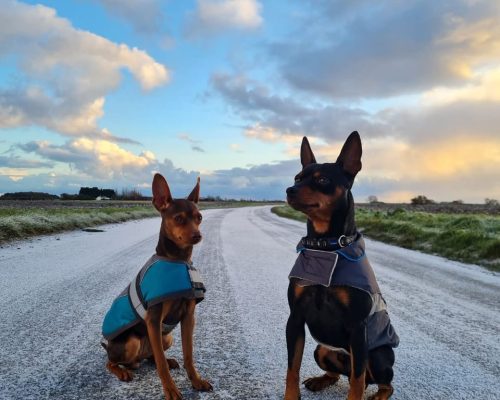
The Miniature Pinscher, often affectionately known as the “Min Pin,” is a small breed known for its spirited personality, sleek appearance, and energetic nature. This breed is often mistaken for a smaller Doberman Pinscher, but the Min Pin has its own unique traits and history. In this article, we will explore everything you need to know about Miniature Pinschers, including their history, characteristics, care, training, and health considerations.
History of the Miniature Pinscher
The Miniature Pinscher originated in Germany and dates back to the early 20th century. Despite its name, the breed is not a miniature version of the Doberman Pinscher. Instead, it is a distinct breed that was developed from a mix of the Dachshund, Italian Greyhound, and the German Pinscher. Originally bred as a ratter, the Min Pin was prized for its ability to control rodent populations in homes and stables.

Physical Characteristics
– *Size*: Typically stands between 10 to 12.5 inches tall at the shoulder.
– *Weight*: Generally weighs around 8 to 12 pounds.
– *Coat*: Short, smooth, and shiny coat that comes in various colors, including black, chocolate, red, and blue.
– *Eyes*: Round and expressive, usually dark in color.
– *Ears*: Can be cropped or left natural; if natural, they are typically semi-erect.
Temperament and Behavior
Miniature Pinschers are known for their bold and confident demeanor. They are often described as:
– *Energetic*: Min Pins have high energy levels and require regular exercise.
– *Intelligent*: They are quick learners but can also be stubborn.
– *Affectionate*: They bond closely with their families and enjoy being involved in family activities.
– *Alert*: Known for their watchdog abilities, they will bark to alert their owners of any intruders.
Care and Maintenance
– *Coat Care*: Minimal grooming is needed due to their short coat. Regular brushing helps reduce shedding.
– *Nail Trimming*: Keep their nails trimmed to prevent overgrowth.
– *Dental Care*: Regular dental check-ups and brushing are recommended to maintain oral health.
Grooming
– *Coat Care*: Minimal grooming is needed due to their short coat. Regular brushing helps reduce shedding.
– *Nail Trimming*: Keep their nails trimmed to prevent overgrowth.
– *Dental Care*: Regular dental check-ups and brushing are recommended to maintain oral health.
Nutrition
Feed a high-quality dog food appropriate for their age, size, and activity level. Monitor their weight to prevent obesity.
Exercise
Daily exercise is essential. Engage in activities like walks, playtime, and agility training to keep them physically and mentally stimulated.
Training Tips
– *Start Early*: Begin training and socialization as early as possible to ensure good behavior.
– *Positive Reinforcement*: Use treats and praise to encourage good behavior.
– *Consistency*: Be consistent with commands and rules to help your Min Pin understand expectations.
– *Socialization*: Expose them to various environments, people, and other animals to promote well-rounded behavior.
Health Concerns
While Miniature Pinschers are generally healthy, they are prone to certain health issues, including:
– *Patellar Luxation*: A common knee problem in small breeds.
– *Hip Dysplasia*: A genetic condition affecting the hip joint.
– *Progressive Retinal Atrophy (PRA)*: A degenerative eye condition that can lead to blindness.
Regular veterinary check-ups and a healthy lifestyle can help mitigate these risks.
Conclusion
The Miniature Pinscher is a lively and affectionate breed that makes a wonderful companion for active individuals and families. With proper care, training, and socialization, a Min Pin can thrive and bring joy to your home. If you’re considering adding a Miniature Pinscher to your family, ensure you’re prepared for their energetic nature and need for companionship.
FAQ
How much does a mini pin cost?
The average cost of a purebred Mini Pinscher puppy in the United States is approximately $1013, though prices can vary based on factors such as pedigree, breeder reputation, and location.
Is Mini pinschers a good family dog?
Yes, a Miniature Pinscher can be a good family dog. They are known to be energetic, alert, and good with children. However, their high energy levels require regular exercise and they may not be suitable for families with very small children or other pets.
What is the lifespan of a Mini pin?
The lifespan of a Miniature Pinscher, also known as a Min Pin, typically ranges from 12 to 16 years. Of course, each individual dog’s lifespan will be influenced by its overall health, diet, and care.
What are cons of Mini Pinschers?
Mini Pinschers can be quite stubborn and independent, often requiring a firm hand in training. They have a high energy level, so they need a significant amount of exercise to avoid becoming bored and destructive. They also have a high prey drive, so they may not be suitable for homes with small pets.
Are Mini pinschers high cost maintenance?
Miniature Pinschers are considered to be somewhat high maintenance. They require regular exercise and mental stimulation due to their high energy levels. They also need consistent grooming due to their shedding habits.