History of the Min Pin
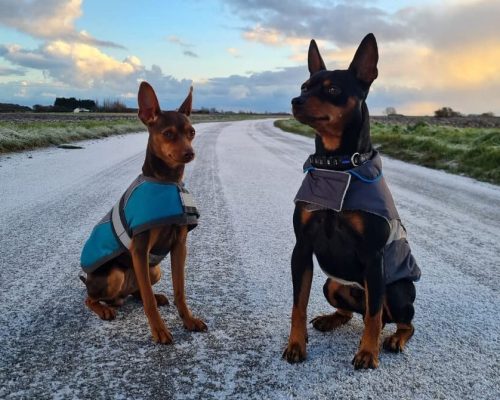
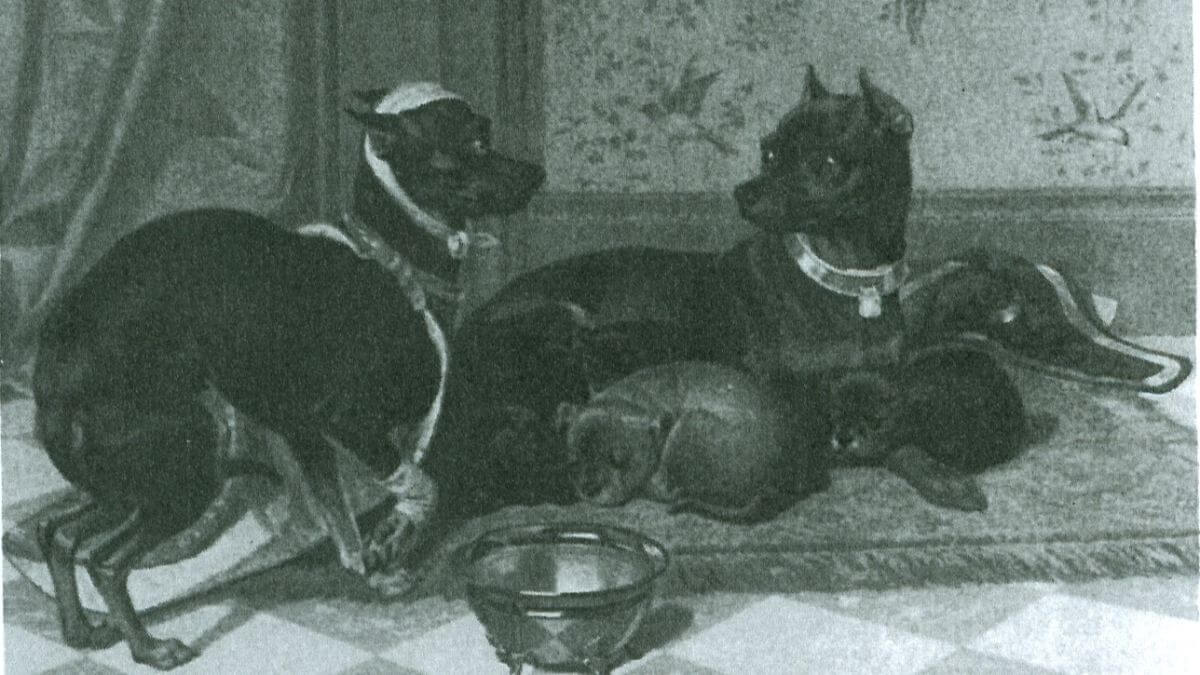
The Miniature Pinscher originated in Germany and dates back to the early 20th century. Despite its name, the breed is not a miniature version of the Doberman Pinscher. Instead, it is a distinct breed that was developed from a mix of the Dachshund, Italian Greyhound, and the German Pinscher. Originally bred as a ratter, the Min Pin was prized for its ability to control rodent populations in homes and stables.
Physical Characteristics of Min Pin
– *Size*: Typically stands between 10 to 12.5 inches tall at the shoulder.
– *Weight*: Generally weighs around 8 to 12 pounds.
– *Coat*: Short, smooth, and shiny coat that comes in various colors, including black, chocolate, red, and blue.
– *Eyes*: Round and expressive, usually dark in color.
– *Ears*: Can be cropped or left natural; if natural, they are typically semi-erect.
Miniature Pinschers are known for their bold and confident demeanor. They are often described as:
– *Energetic*: Min Pins have high energy levels and require regular exercise.
– *Intelligent*: They are quick learners but can also be stubborn.
– *Affectionate*: They bond closely with their families and enjoy being involved in family activities.
– *Alert*: Known for their watchdog abilities, they will bark to alert their owners of any intruders.
Min Pin Care and Maintenance
– *Coat Care*: Minimal grooming is needed due to their short coat. Regular brushing helps reduce shedding.
– *Nail Trimming*: Keep their nails trimmed to prevent overgrowth.
– *Dental Care*: Regular dental check-ups and brushing are recommended to maintain oral health.
Grooming
– *Coat Care*: Minimal grooming is needed due to their short coat. Regular brushing helps reduce shedding.
– *Nail Trimming*: Keep their nails trimmed to prevent overgrowth.
– *Dental Care*: Regular dental check-ups and brushing are recommended to maintain oral health.
Nutrition
Feed a high-quality dog food appropriate for their age, size, and activity level. Monitor their weight to prevent obesity.
Exercise
Daily exercise is essential. Engage in activities like walks, playtime, and agility training to keep them physically and mentally stimulated.
Min Pin Training Tips
– *Start Early*: Begin training and socialization as early as possible to ensure good behavior.
– *Positive Reinforcement*: Use treats and praise to encourage good behavior.
– *Consistency*: Be consistent with commands and rules to help your Min Pin understand expectations.
– *Socialization*: Expose them to various environments, people, and other animals to promote well-rounded behavior.
Min Pin Health Concerns
While Miniature Pinschers are generally healthy, they are prone to certain health issues, including:
– *Patellar Luxation*: A common knee problem in small breeds.
– *Hip Dysplasia*: A genetic condition affecting the hip joint.
– *Progressive Retinal Atrophy (PRA)*: A degenerative eye condition that can lead to blindness.
Regular veterinary check-ups and a healthy lifestyle can help mitigate these risks.
Conclusion
The Miniature Pinscher is a lively and affectionate breed that makes a wonderful companion for active individuals and families. With proper care, training, and socialization, a Min Pin can thrive and bring joy to your home. If you’re considering adding a Miniature Pinscher to your family, ensure you’re prepared for their energetic nature and need for companionship.
Do Min Pins shed?
Answer: The Miniature Pinschers are known to shed in minimal amounts. These pooches only shed their fur on an occasional basis and that too in a very limited manner. This is a good breed for those people who don’t want to deal with a lot of dog hair in their homes.
Is Min pinschers a good family dog?
Answer:Yes, a Min Pins can be a good family dog. They are known to be energetic, alert, and good with children. However, their high energy levels require regular exercise and they may not be suitable for families with very small children or other pets.
What is the lifespan of a Min pin?
Answer:The lifespan of a Miniature Pinscher, also known as a Min Pin, typically ranges from 12 to 16 years. Of course, each individual dog’s lifespan will be influenced by its overall health, diet, and care.
What are cons of Min Pins?
Answer:Miniature Pinschers can be quite stubborn and independent, often requiring a firm hand in training. They have a high energy level, so they need a significant amount of exercise to avoid becoming bored and destructive. They also have a high prey drive, so they may not be suitable for homes with small pets.
Are Min pins high cost maintenance?
Answer: No! The Miniature Pinschers are not very expensive canines and their maintenance needs are also fairly low. They don’t require a lot of grooming to look good, their exercise needs are not that high and they are generally not very demanding in nature. All in all, this is a great breed for those people who are looking to raise a fairly low-maintenance canine.
Are they good with children?
Answer: Properly trained and well-socialized Miniature Pinschers are fairly friendly with small kids. These Pooches should be properly introduced to a lot of kids at a young age (as a puppy) so that they become more comfortable and sociable with children when they eventually grow up.
Do Min pins bark a lot?
Answer: The Miniature Pinschers can sometimes be an excessive barker. These pooches like to express themselves through their voice and they are known to do this quite often. They mostly bark when they want their owners’ attention or when they are looking after their homes. But, this habit of excessive barking can be controlled to some extent through proper training and guidance.
Are Min pins easy to train?
Answer: For an experienced dog owner, training a Miniature Pinscher shouldn’t be that hard. This pooch likes to learn new things from its owner and is fairly responsive and alert during the training sessions. But to make the training sessions a lot easier than before, it is highly important that you start teaching about obedience and discipline to your Min-Pin at a fairly early age so that it can become more compliant and agreeable in nature when it grows up.
Are Min pins good for apartments?
Answer: Yes! Miniature Pinschers are great apartment dogs. These pooches are known to adjust to the apartment lifestyle fairly quickly. They mostly remain very inactive and relaxed when they are inside their homes and thus are a good option for the apartment dwellers..
What are common health issues?
Answer:Miniature Pinschers are generally healthy but prone to patellar luxation (dislocated kneecaps), eye conditions like progressive retinal atrophy, and
How much exercise does a Miniature Pinscher need daily?
Answer: The exercise needs of a Miniature Pinscher are quite manageable. Daily long walks either in a park or in an open area are highly beneficial for the Min-Pins. They also like to play various games with their loved ones like catch-the-ball, frisbeeing, hide-and-seek et cetera, hence regular play sessions should also be included in their exercise schedule.