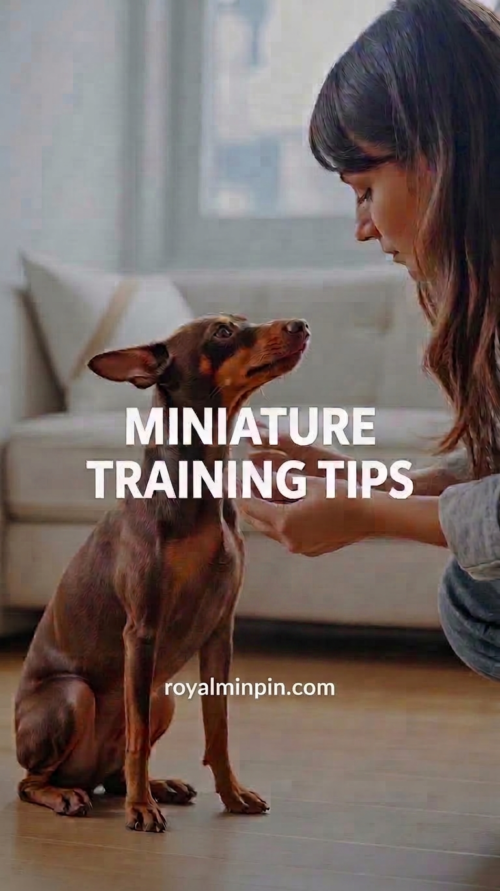
Miniature Pinschers are known for their spirited personality and intelligence. However, training this energetic breed can be a challenge without the right approach. In this comprehensive guide, we’ll share 10 essential training tips to help you raise a well-mannered Miniature Pinscher.
1. Start Training Early
Starting training early is crucial for Miniature Pinschers. Begin socialization and basic training as soon as you bring your puppy home. This helps prevent behavioral issues later on.
Why Early Training Matters
- Establishes good habits
- Reduces anxiety in new situations
2. Use Positive Reinforcement
Positive reinforcement is the most effective training method for Miniature Pinschers. Reward your dog with treats, praise, or playtime for good behavior.
Tips for Effective Reinforcement
- Use high-value treats during training sessions
- Celebrate small victories with enthusiastic praise
3. Keep Sessions Short and Fun
Miniature Pinschers have short attention spans, so keep training sessions to about 5-10 minutes. Incorporate fun elements to keep your dog engaged.
Suggested Activities
- Use interactive toys during training
- Incorporate games like fetch or hide and seek
4. Be Consistent with Commands
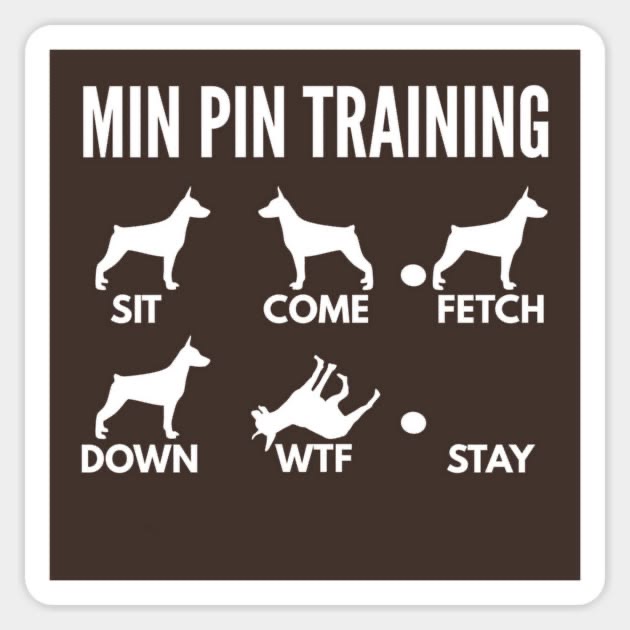
Consistency is key in training. Use the same commands and cues every time to help your Miniature Pinscher understand what you expect.
Examples of Consistent Commands
- “Sit” for sitting
- “Stay” for remaining in place
5. Socialize Your Miniature Pinscher
Socialization is vital for developing a well-rounded Miniature Pinscher. Expose your dog to various environments, people, and other pets.
Socialization Strategies
- Attend puppy classes
- Visit dog parks and pet-friendly locations
6. Focus on Basic Commands
Teach essential commands such as “sit,” “stay,” “come,” and “down.” These basics form the foundation for more advanced training.
Importance of Basic Commands
- Enhances communication between you and your dog
- Promotes safety in various situations
7. Incorporate Crate Training
Crate training provides a safe space for your Miniature Pinscher and aids in house training. Make the crate a positive environment with treats and toys.
Crate Training Benefits
- Helps with housebreaking
- Reduces anxiety when left alone
8. Practice Patience
Training can be frustrating, especially with a breed known for its stubbornness. Stay patient and avoid negative reactions to mistakes.
Tips for Staying Patient
- Take breaks if you feel frustrated
- Remember that consistency leads to success
9. Make Training a Game
Incorporate games into training sessions to make learning fun. This keeps your Miniature Pinscher excited and engaged.
Fun Training Games
- Hide and seek with treats
- Obstacle courses in your backyard
10. Consider Professional Help
If you encounter challenges, don’t hesitate to seek professional help. Training classes can provide valuable guidance and support.
Finding the Right Trainer
- Look for trainers with experience in positive reinforcement
- Read reviews and ask for recommendations
Conclusion
Training your Miniature Pinscher can be a rewarding experience with the right techniques. By following these 10 essential training tips, you’ll foster a loving and well-behaved companion. Remember, consistency and patience are key to successful training!
Call to Action
Are you ready to start training your Miniature Pinscher? Share your training experiences in the comments below, and don’t forget to subscribe for more pet care tips!
References & Resources
- Royal Min Pins
- The Humane Society of the United States: Housetraining Puppies
- Miniature Pinschers; D. Caroline Coile
- United States Dog Agility Association: Other Events and Exhibitions
- Mayo Clinic Physical Medicine and Rehabilitation in Minnesota: Dr Jack Will See You Now
- Animals at Work; Liz Palika, et. al.
- monica.ai